
Journal
Short, practical articles on storyboards, shot lists, interviews, locations and filming schedules for factual video.
The journal collects practical notes from our instructors and course exercises, with a new article about once a day. Each one looks at a single planning problem, from a first sketch to a filming day timetable.
 · Fiona MacAllister
Building a Realistic Filming Day Schedule, Step by Step
A practical walk through the first stage of planning a shooting day: gathering the facts, working backwards from the light, and leaving room for travel and setup.
Read more → · Callum Reid
A Checklist Before You Commit to Storyboard Drawing
Before you sign up for a storyboard drawing course, run through these questions about your projects, your confidence with a pencil and the time you can set aside each week.
Read more → · Fiona MacAllister
Location scouting mistakes that cost you a shooting day
Most location problems are found on the day of the shoot, when they are expensive. Fiona MacAllister goes through the common scouting mistakes and how a simple shortlist avoids each of them.
Read more → · Callum Reid
What Interview Scene Outlines Cost and What Moves the Price
A plain look at what you pay for when planning an interview shoot on paper: the number of setups, locations and questions, and the revisions that quietly add hours.
Read more →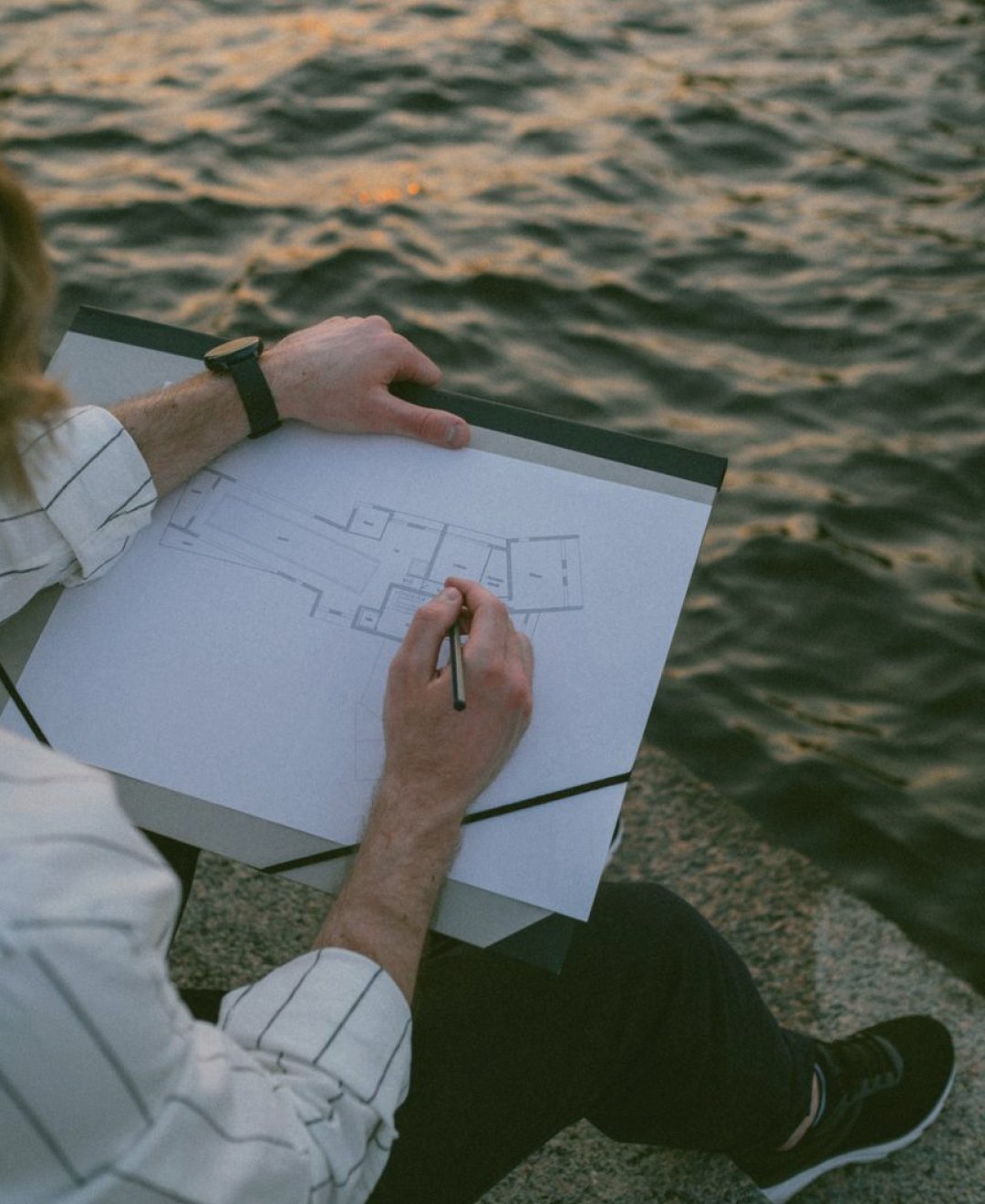 · Priya Sharma
Marking Camera Positions on a Floor Plan: Rhys and the Cramped Office
A first-name case study from a mid-autumn course exercise: how Rhys moved a stalled interview into a workable setup by marking camera positions and light on a simple floor plan.
Read more → · Fiona MacAllister
Turning an autumn idea into a shot list before the light fades
Mid autumn brings shorter days and changeable weather. Fiona explains how to break a written idea into scenes and a shot list that still works when the light does not cooperate.
Read more → · Fiona MacAllister
Buffer, Turnaround and Golden Hour: Three Scheduling Terms Explained
Three terms that decide whether a filming day runs calmly or falls apart, explained in plain words with examples from small factual shoots, so you can use them when you build your own schedule.
Read more → · Priya Sharma
Thumbnails or Finished Panels: Which Storyboard Suits a Small Factual Shoot
A comparison of rough thumbnail boards and fully drawn panels for factual shoots, with a clear recommendation on which one a beginner crew should use and why.
Read more → · Callum Reid
How a Location Shortlist Is Built, From First Call to Final Comparison
A look at the working routine behind a location shortlist: what gets recorded on a first visit, who is asked for permission, and how the options end up side by side.
Read more → · Callum Reid
How Many Questions Should an Interview Outline Actually Hold?
The question we hear most on the interview module: how long should the list be, and what happens when the answers wander? A practical reply from the planning room.
Read more →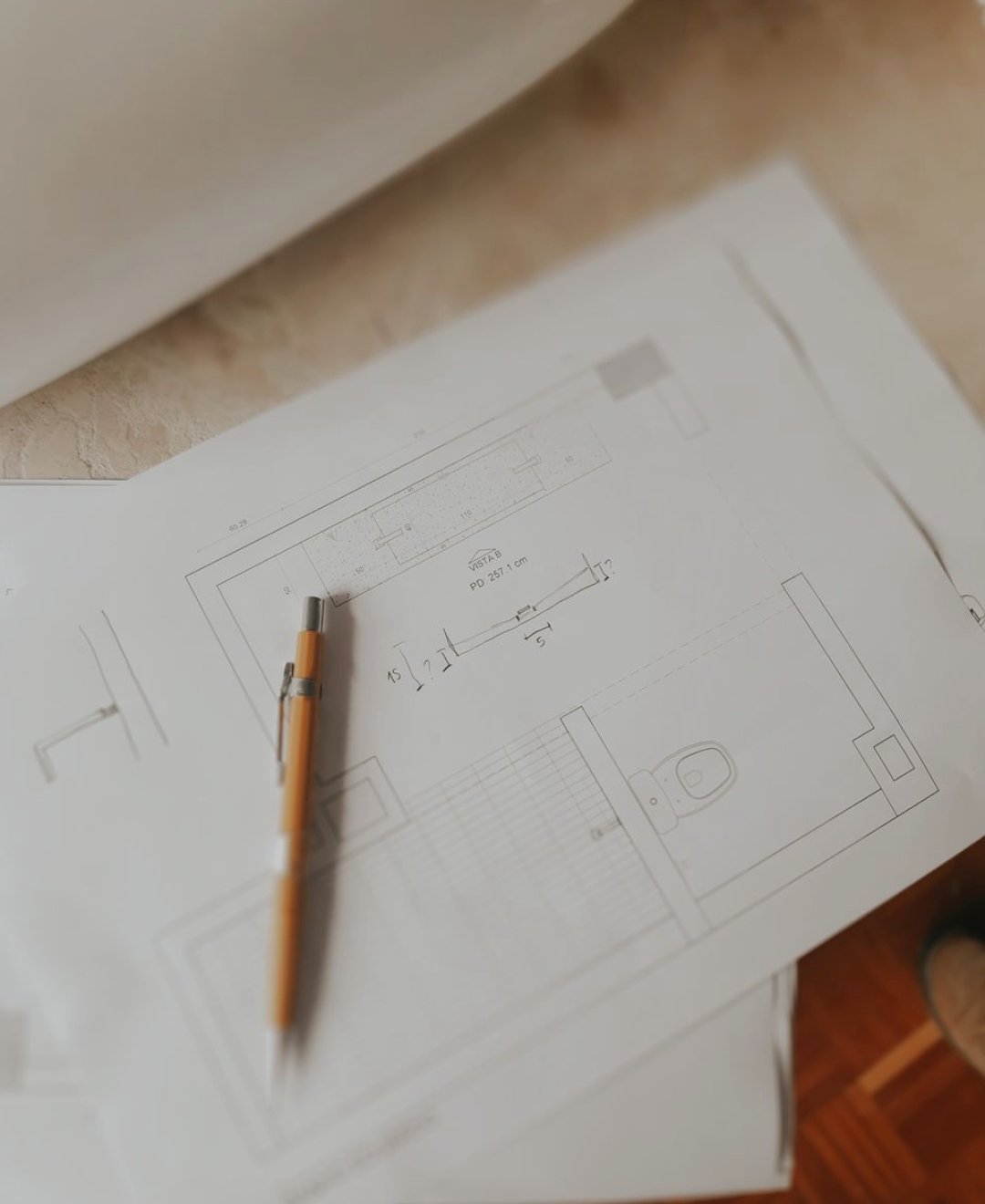 · Fiona MacAllister
Marking Camera Positions and Light on a Simple Floor Plan
A look at how the Camera Positions and Light module has us draw lens choices, camera spots and window light onto plain floor plans before anyone carries a tripod into a room.
Read more →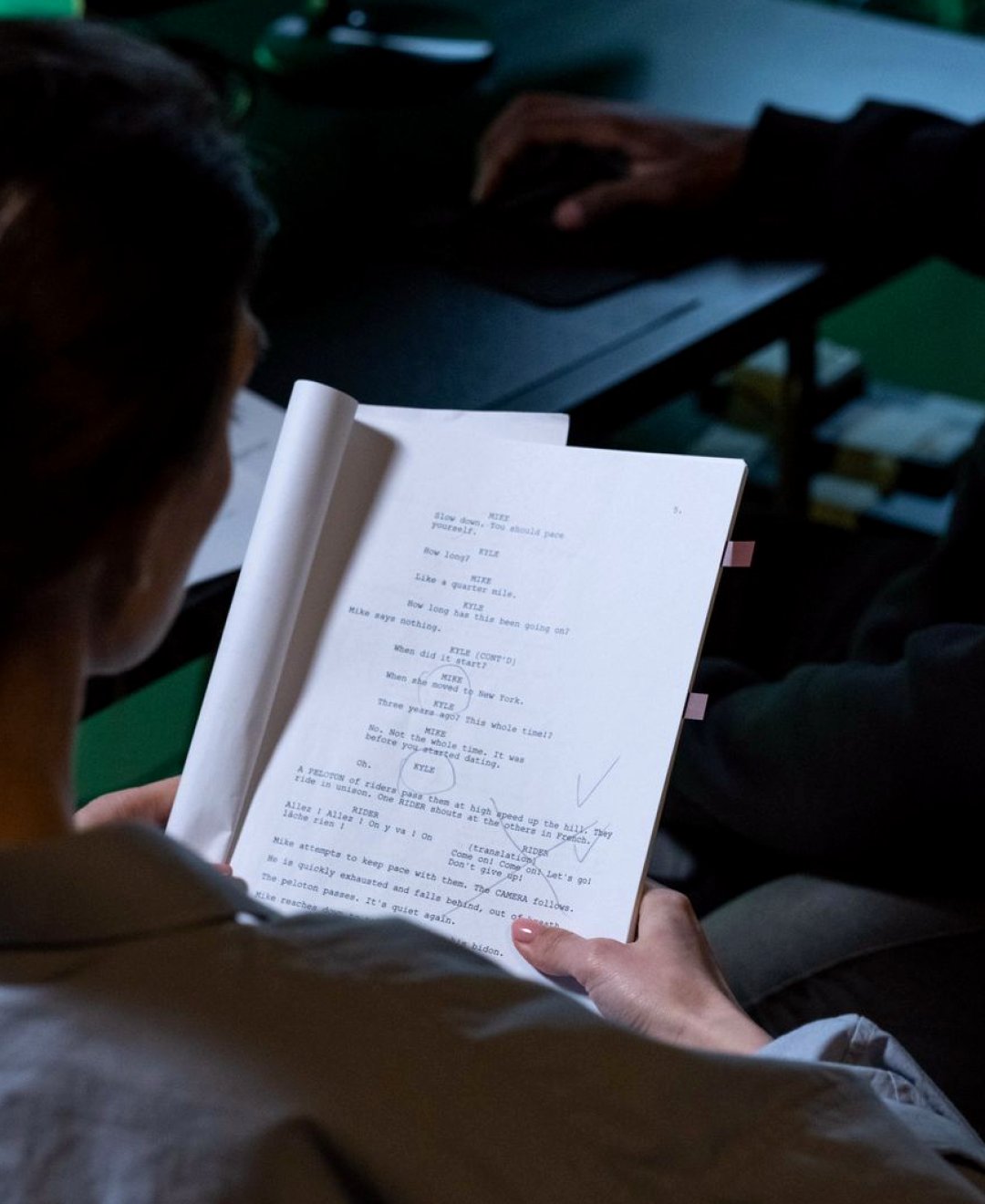 · Fiona MacAllister
The Working Tools Behind Turning an Idea into a Shot List
A look at the paper, templates and simple habits Fiona relies on when she breaks a written idea into scenes and then into individual planned shots on the course.
Read more → · Priya Sharma
Before You Commit to a Shooting Day: A Schedule Checklist
A practical list of questions to work through before you lock a filming schedule, covering travel, setup, light and breaks, so the day you plan is the day you can actually shoot.
Read more → · Callum Reid
Storyboard Drawing Mistakes That Confuse a Crew, and Simple Fixes
Most storyboards fail because they are too neat or too vague, not because the drawing is poor. Here are the habits that make panels hard to read on set, and how to correct them.
Read more →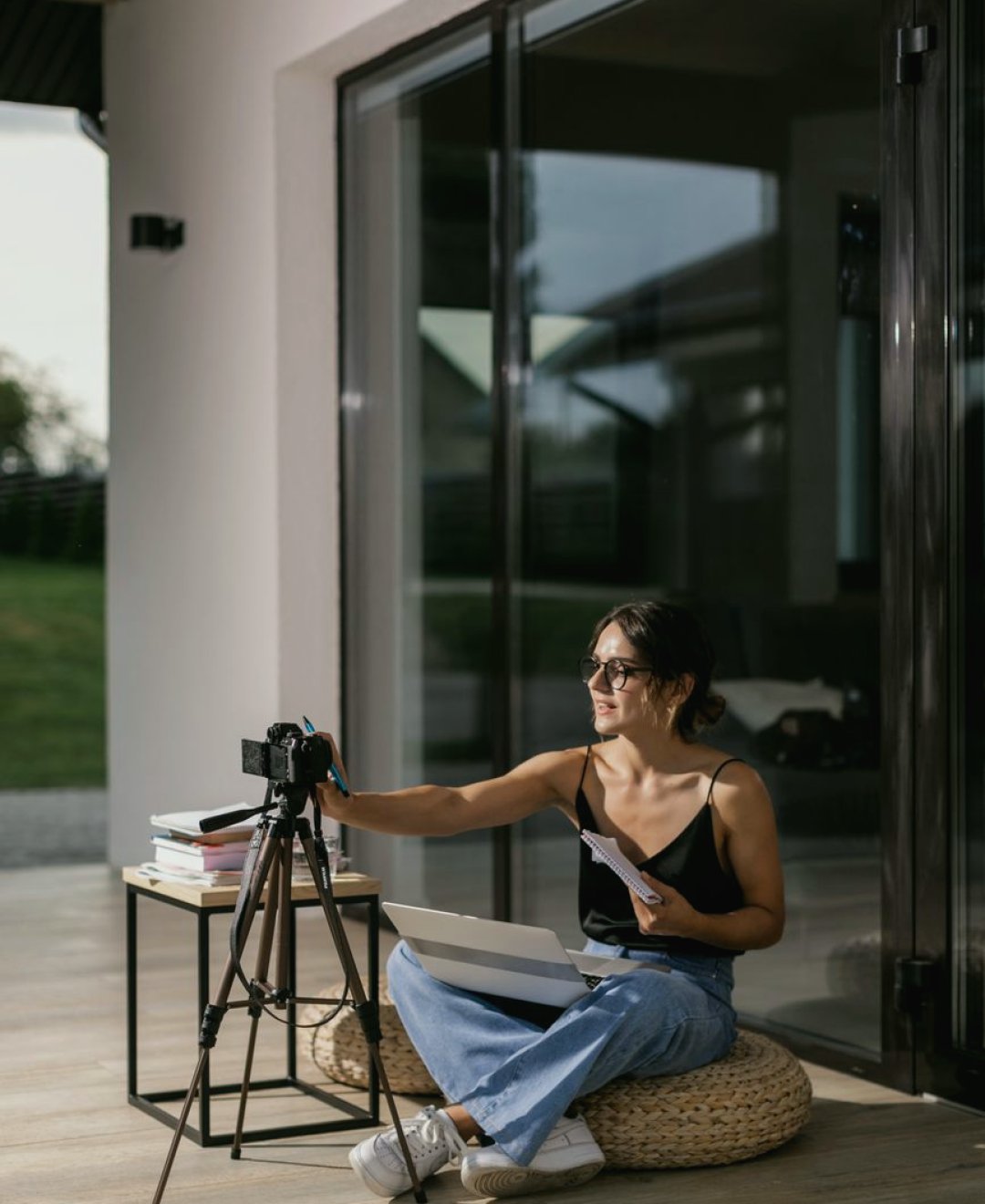 · Priya Sharma
What Location Scouting Costs and What Moves the Price
A plain look at what drives the cost of scouting and shortlisting filming locations: travel, visits, permissions and paperwork, and how to keep each within reach on a small factual shoot.
Read more →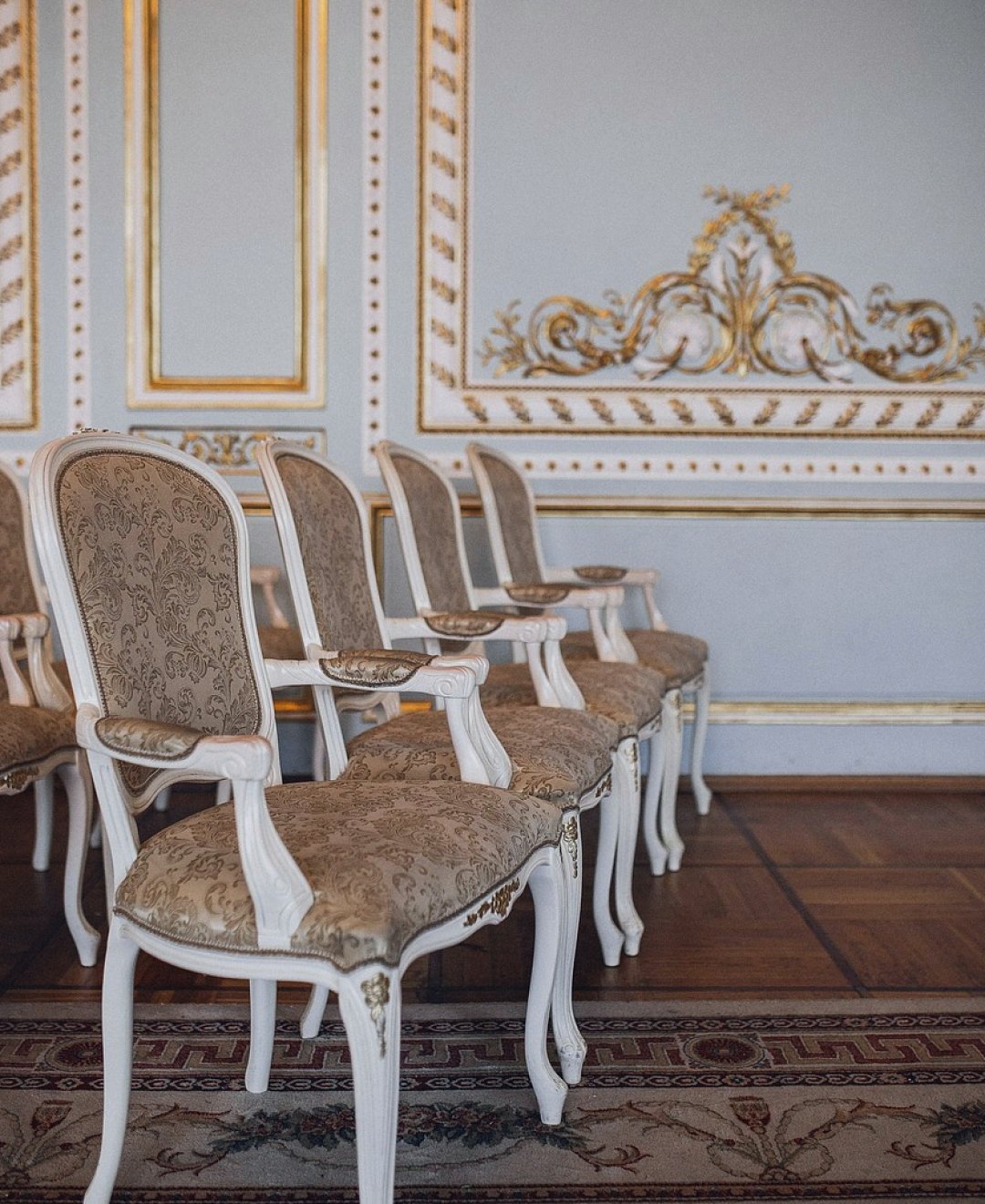 · Callum Reid
How Morag Mapped Her First Interview Before Switching On the Camera
A short account of one learner, Morag, and how a simple scene outline for a village hall interview replaced a page of loose questions and made the filming day calmer.
Read more →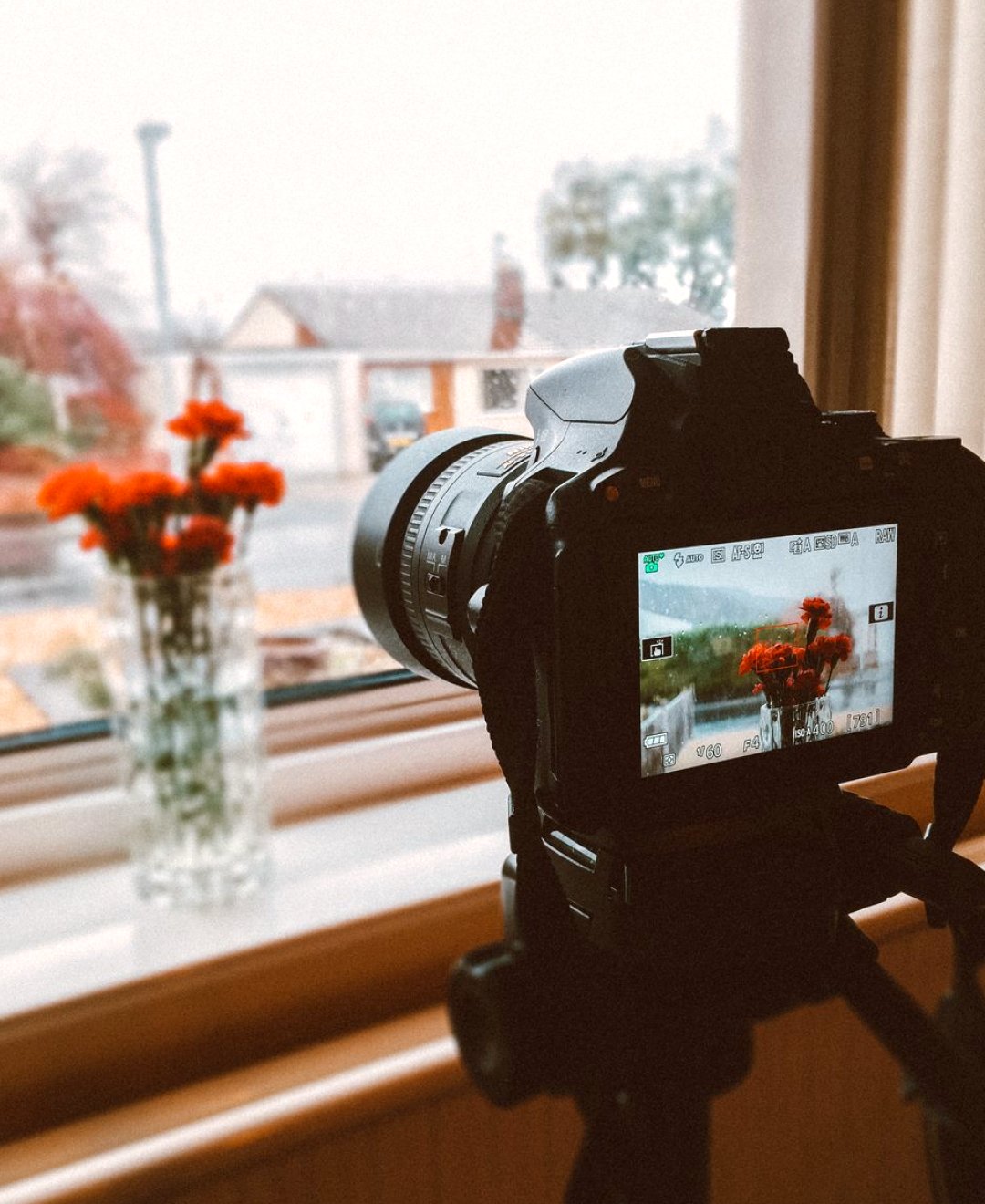 · Callum Reid
Camera Positions and Light for the Darker Months Ahead
Callum Reid explains how to mark camera positions and lighting on simple floor plans now that autumn days are shorter, so interviews and reports still look consistent.
Read more → · Priya Sharma
Beat, Scene, Shot: Three Trade Words Explained Plainly
A plain-English guide to the terms that sit between a written idea and a shot list, so a beginner can read a call sheet or a script breakdown without guessing.
Read more → · Fiona MacAllister
Two ways to build a shooting day: fixed times or a flexible order
Fiona compares a schedule fixed to the clock with one built around a flexible order of scenes, and explains which suits a beginner planning a short factual shoot in autumn.
Read more → · Callum Reid
How a Storyboard Panel Gets Drawn, From Thumbnail to Crew Copy
A look at how storyboard panels are actually made in class, from rough thumbnails to annotated frames that any crew member can pick up and follow on the day.
Read more → · Priya Sharma
The Location Question We Hear Most: Where Do I Start Scouting?
Students ask the same thing in week one: how do you begin a location shortlist without wasting days? Priya Sharma answers it step by step, from the brief to a side-by-side comparison.
Read more → · Callum Reid
Interview Outlines: What the Course Now Covers in Practice
A look at how the Scene Outlines for Interviews module now runs, from setting up two chairs and a light to question flow and the cutaways that keep a report moving.
Read more →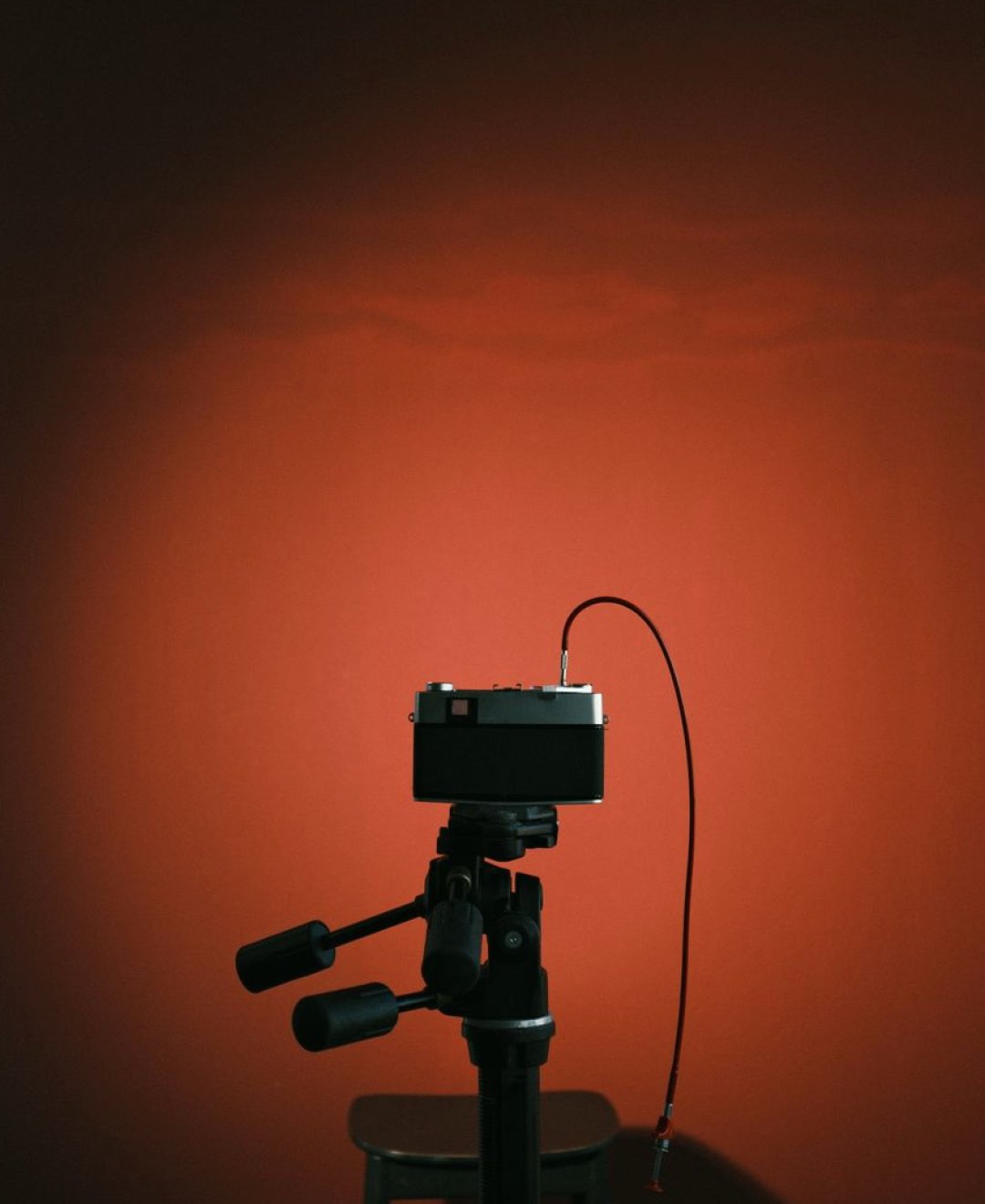 · Priya Sharma
The Floor Plan, the Sun Chart and a Torch: Our Light Planning Kit
Priya Sharma describes the simple tools she relies on when teaching camera positions and light: a marked floor plan, a sun path note and a small kit for checking a room on site.
Read more →
Get in touch
Email: [email protected]