
The question behind the question
Students on the interview module ask me the same thing in the first week: how many questions do I need? Behind it sits a quieter worry, which is whether the outline will hold up once a real person sits down and starts talking. A number alone does not settle that, so I answer with a way of thinking about the list rather than a figure.
For a factual report with a ten-minute finished cut, I usually suggest working from a short spine of key questions and a few reserves. The spine covers what the piece cannot do without. The reserves are there for the moment a guest gives a one-word answer, or drifts somewhere promising, and you need a second way in.
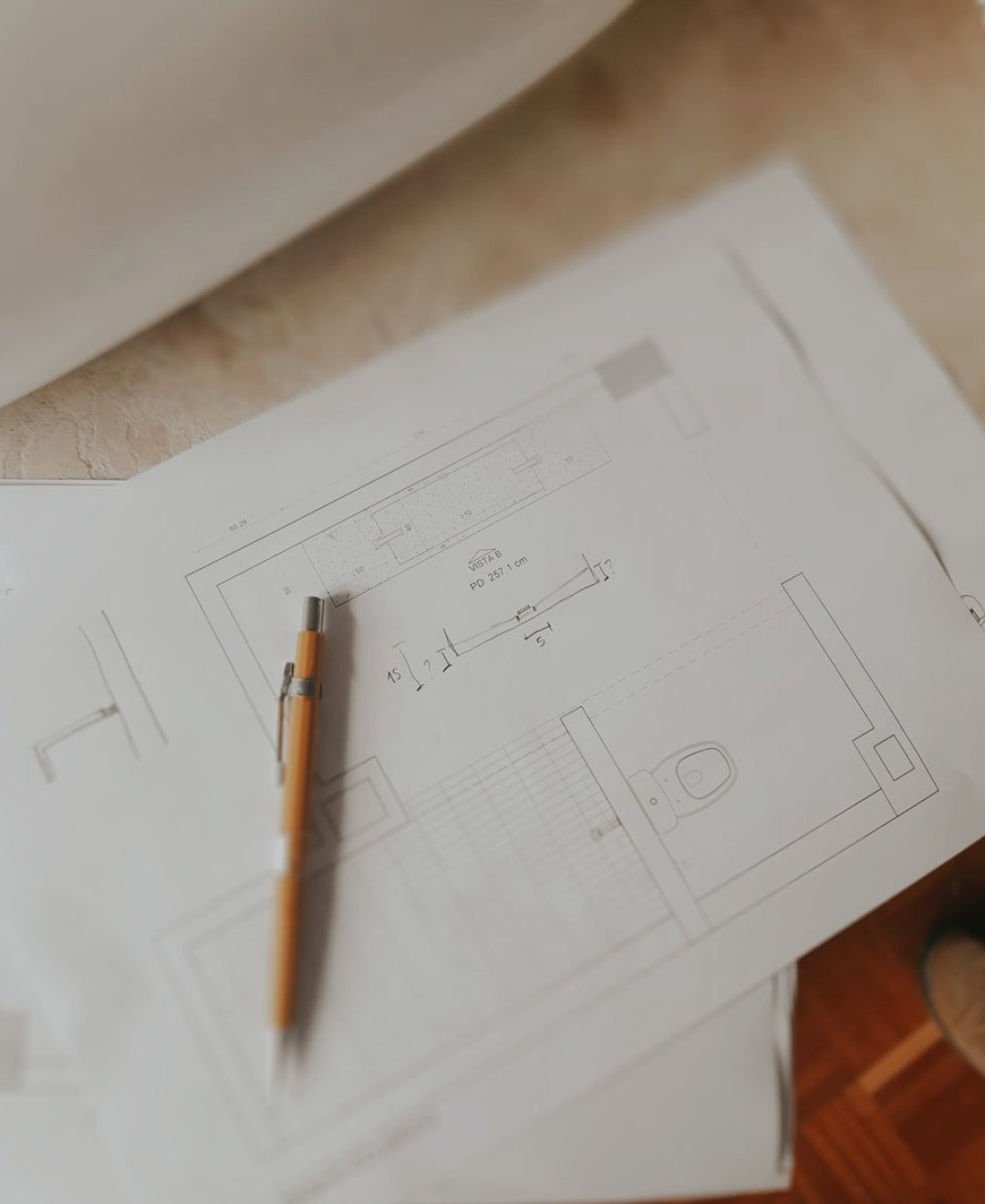
An outline is a map of the conversation, not a script. You are planning the order in which ideas arrive, so that the guest feels guided and your editor later finds clean, usable answers.
Start from the finished piece, not the guest
Before writing a single question, decide what the viewer should know after the interview section ends. Write those points in plain sentences. Each one becomes a small group of questions, and any question that does not serve one of the points is a candidate for the bin.
This works because filmed interviews are rarely used whole. Editors take a sentence here, a paragraph there, and lay cutaway pictures over the gaps. If your outline is built around the points the piece needs, every answer has a place to go.
Callers sometimes tell me they have thirty questions ready and still came away without the answer they wanted. Nearly always the list was organised by the order they thought of things, not by what the story required.
- Write three to five points the viewer must take away
- Group questions under each point
- Mark which ones are essential and which are reserves
Question flow and timing
Order matters more than people expect. Open with something easy and factual, such as the guest's role or how they came to the subject. It settles nerves, gives the sound recordist a level, and lets you check the framing without the guest noticing.
Move to the central questions once they are comfortable, and keep the most sensitive or reflective ones for the middle or later part, when trust has built. Finish with a wide closing question that lets them add anything you missed. Some of the best lines arrive there, when the guest relaxes because they believe the interview is over.
As a rough guide, a calm guest speaking naturally covers around four or five prepared questions in ten minutes of recording, once follow-ups are counted. Plan for fewer questions than feels comfortable and leave room to listen.
Planning cutaways alongside the questions
The outline is also the right place to think about what the viewer will see while the guest talks. If someone describes a workshop, a street or a process, note it beside the question that will prompt it. You then know to film those pictures later, instead of discovering the gap in the edit.
Keep these notes short. A phrase such as hands at the bench, or wide of the entrance, is enough. On the day, they become a small list you can tick off while the guest is still available to answer a stray question about what you are filming.
Cutaways also help with a practical matter. They give an editor somewhere to hide a trimmed answer, so the guest does not appear to jump in time.
- Note a possible cutaway beside each key question
- Keep notes to a few words
- Film cutaways before the guest leaves if you can
When the answers wander
Guests do wander, and that is not a failure of the outline. Let a tangent run for a short while, because it often reveals what the person cares about. Then return with a bridge, such as: that is helpful, and it leads me to something else I wanted to ask.
If a guest gives a short answer, avoid filling the silence. Wait a moment, then ask for an example or for a time they remember. Concrete stories are far easier to cut than general statements, and they sound more natural on camera.
Keep your reserve questions marked so you can find them quickly without scanning the page. Looking down for too long breaks eye contact, and the guest notices.
A simple outline to try first
If you are planning your first interview, try a single page with four parts. At the top, the three or four points the viewer needs. Below, a short list of opening questions. Then the central questions, grouped by point. Last, your reserves and a closing question.
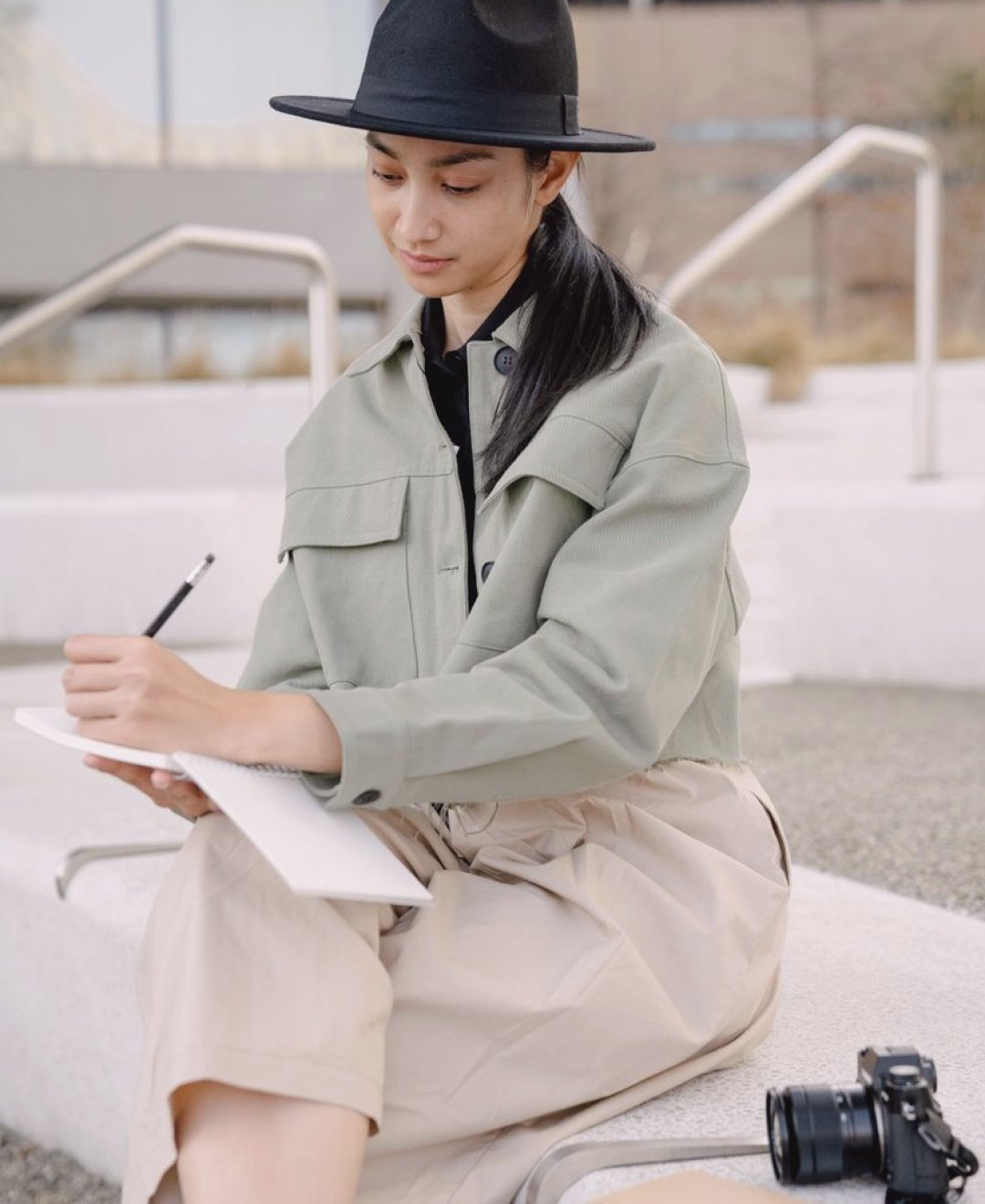
Print it, leave a margin for notes, and read it aloud once beforehand. Awkward phrasing shows up when spoken, and a question that sounds stiff to you will sound stiffer to the guest.
Then film one practice conversation with a friend and watch it back. You will see quickly which questions earned real answers and which only filled time.
There is no magic number, but a short spine of essential questions, a few reserves and a clear idea of what the viewer should take away will serve nearly every factual interview. Plan the order, note your cutaways beside the questions, and leave room to listen. Try a one-page outline on your next conversation and adjust it after watching the footage.