Choosing a place because it looks good in a photograph
The most frequent mistake I see from new students is picking a location from a single attractive picture. A photograph is taken at one hour, from one angle, with the best light of the day. It tells you nothing about the noise from the road behind the photographer, the distance from the car park or whether the room has any sockets.
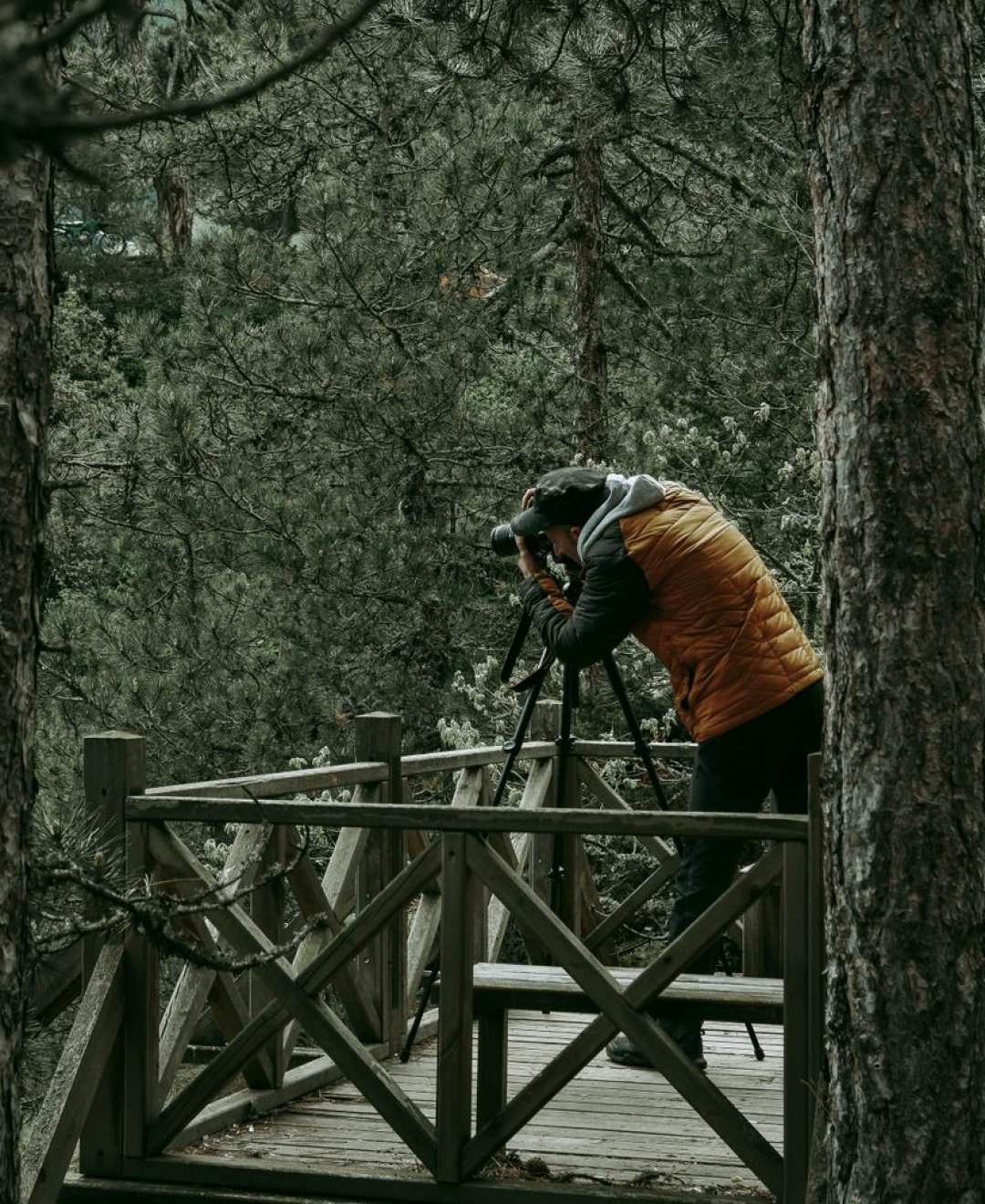
When you scout, treat the photograph as an invitation to visit, not as a decision. Go at the hour you plan to film, stand where the camera will stand and look in the opposite direction as well. Autumn light in Scotland drops quickly, so a window that glows at noon may be a dull grey rectangle by mid-afternoon.
Write down what you find in a fixed order each time: access, power, sound, light, space. A fixed order matters more than it sounds, because it lets you compare three places on the same terms later instead of relying on a general impression.
- Visit at the time of day you intend to film
- Listen for ten minutes before you judge the sound
- Note where the nearest power point actually is
Forgetting to ask who owns the space
Almost every location belongs to someone, and that someone has opinions about cameras. A shopping centre, a school, a harbour office and even a quiet park path may each have a different person who can say yes. Students often assume that a friendly word from a member of staff counts as permission, and then meet a manager on the morning of the shoot.
Make the request early and in writing, even if it is a short e-mail. Say what you will film, how many people will be there, how long you need and whether you will bring lights or a tripod. Owners respond better to specific, modest requests than to vague ones.
Keep every reply with your location notes. If conditions are attached, such as no filming of customers or no use of the staff entrance, they belong on the shortlist beside the practical details, because they affect the schedule as much as the light does.
- Ask in writing and keep the reply
- Name the equipment you will bring
- Record any conditions next to the location notes
Scouting one place instead of three
A single location gives you nothing to compare, so every weakness seems acceptable. If it is the only option, you talk yourself into it. Having three on the table changes the conversation: you can see that the first has the best light but poor access, while the second is easy to reach but loud.
This is the core of the shortlist. For each place, record the same few facts in the same layout, then set the sheets side by side. The comparison often makes the decision obvious, and where it does not, it shows exactly which question remains, for example whether a quieter hour can be arranged.
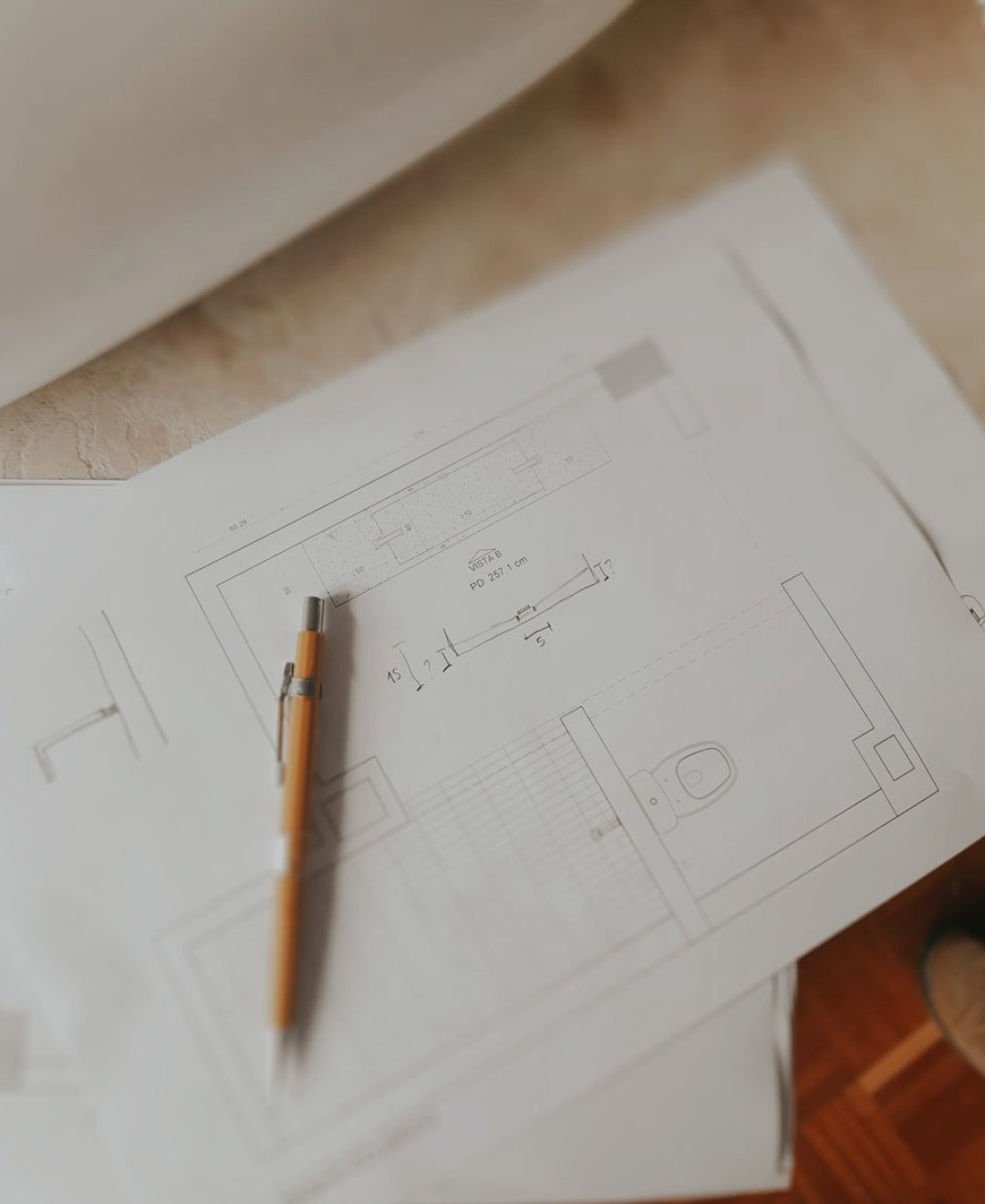
You do not need an elaborate document. A single page per location, with a rough floor sketch and a few lines under each heading, is enough. What matters is that the pages match, so that a missing detail stands out as a blank rather than disappearing.
Ignoring the constraints until the day itself
Constraints are the dull facts that quietly shape a shoot: opening hours, a lift that holds four people, a rule against stands in corridors, a lunch break when the building goes loud. They rarely appear in the exciting part of planning, so they are the first things to be forgotten.
On a scouting visit, ask directly what would stop you filming. Ask about cleaning times, events booked on your date, building works and where you may park. Then write the answers down as constraints, not as general remarks, so that you can see them when you build the filming schedule.
One useful habit is to mark each constraint as fixed or negotiable. A fixed constraint, such as a closing time, must be built around. A negotiable one, such as the choice of entrance, is something to raise with the owner before the day rather than on it.
- Ask what would prevent you from filming
- Note events booked on your intended date
- Mark each constraint as fixed or negotiable
Leaving out the people who will carry the kit
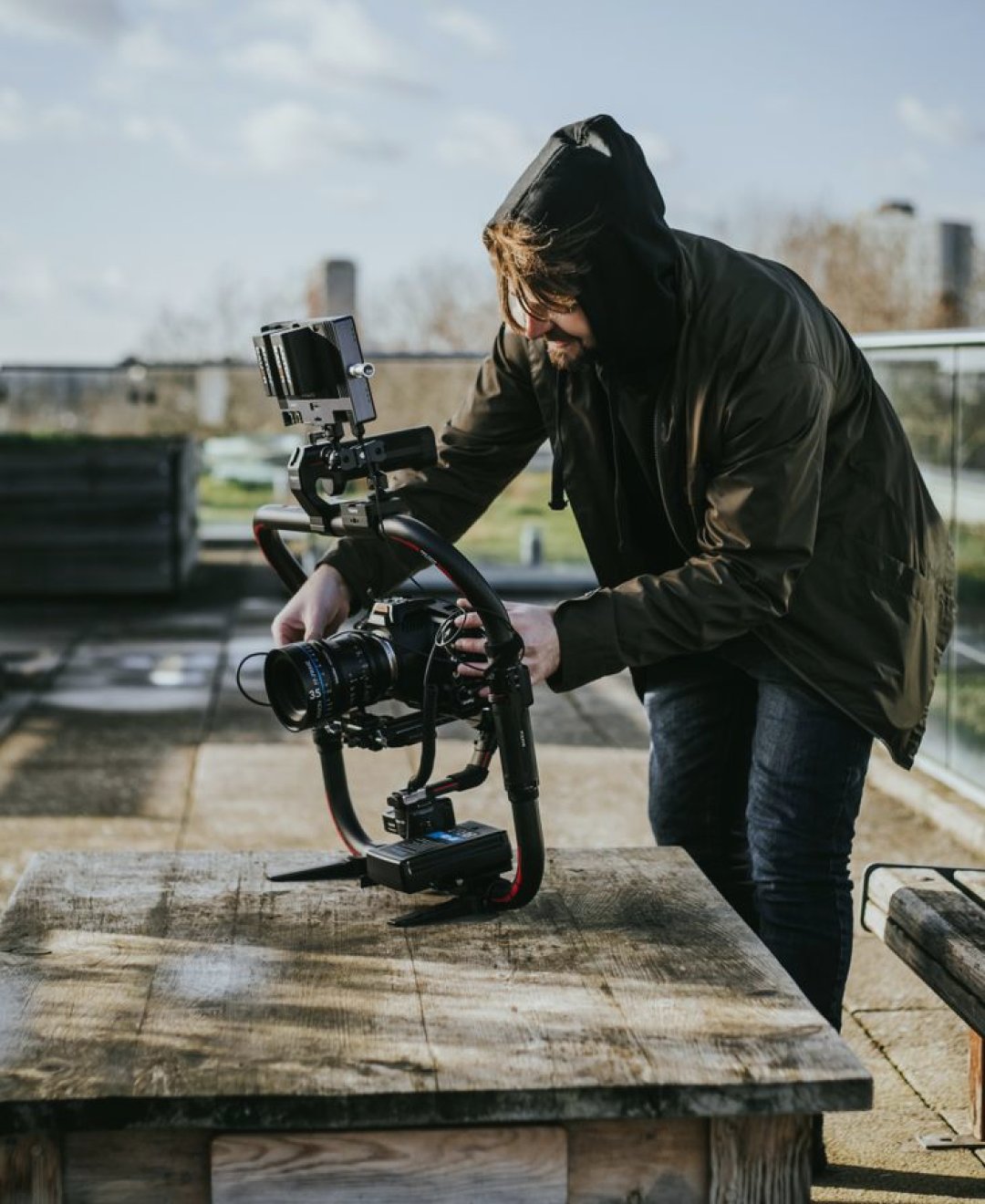
It is easy to plan a location for the camera and forget the person who walks in with a tripod, a light stand and two bags. Three flights of stairs, a long walk from the nearest parking or a door that locks behind you are all things that cost time and patience on the day.
Walk the route you will actually take, carrying something heavy if you can. Time it. A ten-minute carry at the start and end of the day is twenty minutes the schedule has to hold, and it is the sort of figure that disappears from plans when nobody measured it.
Also note where people can wait, where bags can be left safely and where an interviewee can sit before they are called. A calm waiting space does more for a relaxed interview than any adjustment to the lighting.
Keeping the notes in your head
Memory is unreliable after the third visit, and by the time you are writing the shot list you will have merged two places into one. Students who rely on recollection often arrive with a confident plan that describes a window which does not exist.
Take photographs of every wall you might film against, and a few of the surroundings, but treat them as supporting evidence rather than the record. The record is the written sheet: address, contact name, access times, power, sound, light, constraints and a rough plan of where the camera and subject would go.
If someone else joins the shoot, that sheet is what they will read. A clear one means a camera operator can plan their kit without a phone call, and that is a fair test of whether your scouting notes are good enough.
- Photograph walls, entrances and the route in
- Write the sheet on the same day as the visit
- Give every location the same page layout
Good scouting is mostly a matter of asking the same plain questions in every place and writing the answers down while they are fresh. Avoiding these mistakes does not make a shoot flawless, but it moves the surprises from the filming day to the planning table, where they are cheap to fix. Start with three places, one sheet each, and let the comparison tell you where to go.